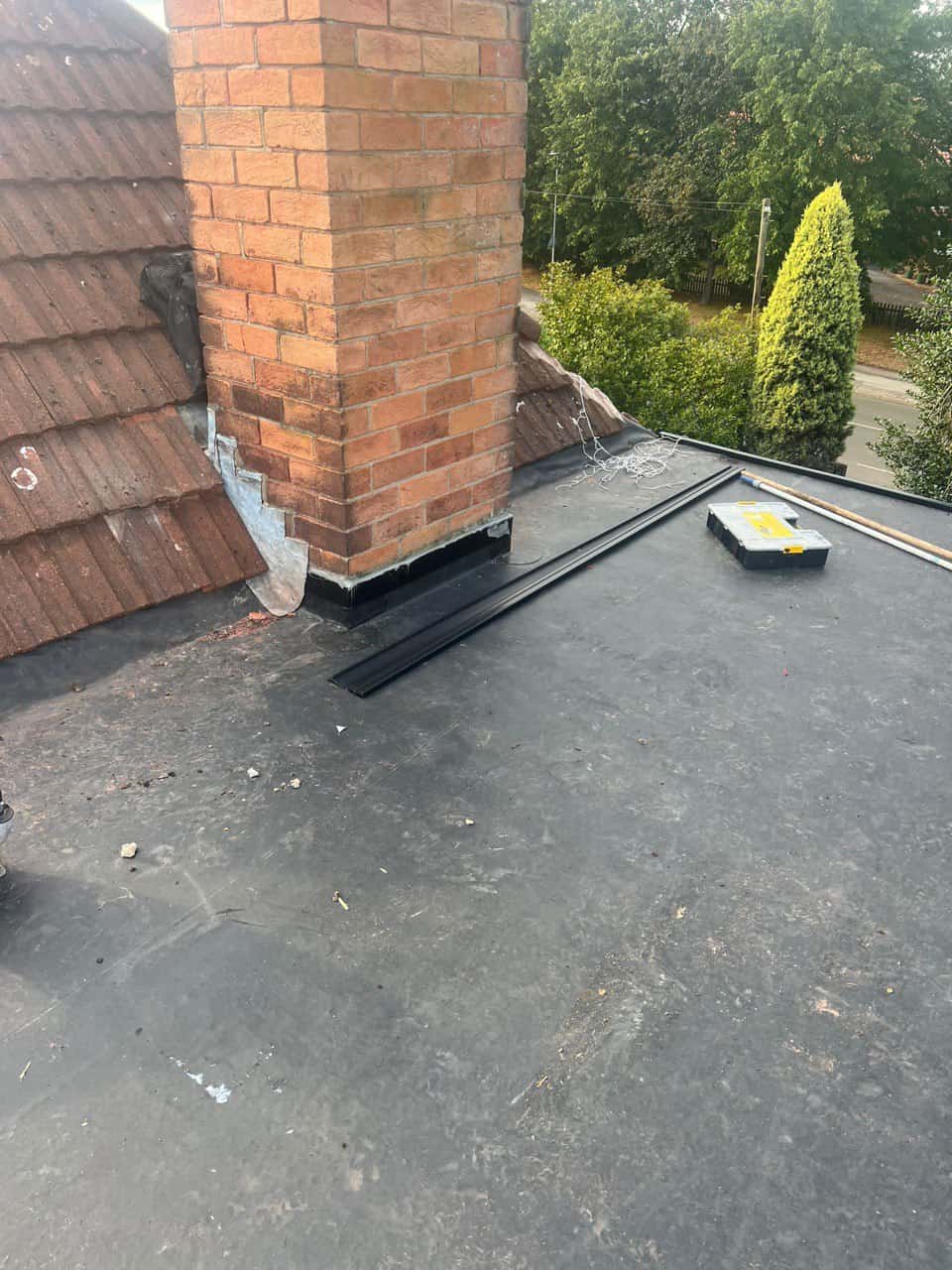
A roof that has already undergone repairs does not automatically need replacing when another problem develops. Roofs are exposed to changing weather conditions throughout their service life, and different components can require attention at different times. A previous repair may remain completely sound while an unrelated defect develops elsewhere.
For property owners in Chichester, West Sussex, the important question is whether the roof remains fundamentally serviceable. By assessing the condition of previous repairs, the surrounding roofing materials and the cause of the latest problem, it is often possible to determine whether further targeted work remains a sensible approach.
When Is Further Roof Repair Still a Suitable Option?
Further repair can be entirely appropriate when previous work remains secure and the new problem is confined to a manageable area. The fact that a roof has been repaired before is less important than its current overall condition.
A professional assessment should establish whether the latest defect is isolated, whether surrounding materials remain dependable and whether another repair can integrate correctly with the existing roof. If these factors are favourable, previous work does not prevent the roof from being a good candidate for further repairs.
Previous Repairs Should Be Assessed, Not Automatically Blamed
When a new roofing problem develops, it can be tempting to assume that an earlier repair has failed. This is not always the case.
A repair to one section of a roof may continue performing correctly while a completely separate component develops a problem. For example, previously repaired flashing may remain sound while tiles elsewhere become damaged or displaced.
Inspecting the previous work helps establish whether it has any connection with the latest defect. This prevents unnecessary disturbance to areas that are already functioning properly.
The Location of the New Problem Matters
The relationship between previous and current defects can provide valuable information.
If a new problem appears well away from an earlier repair, the two issues may be unrelated. If deterioration repeatedly occurs around the same location, however, the area deserves closer investigation.
Recurring problems can indicate that an underlying cause has not been fully addressed. Water may be entering from another point, surrounding materials may have deteriorated, or movement within the roofing components may be contributing to repeated failure.
Understanding the location and cause of each defect is therefore more useful than simply counting how many repairs the roof has received.
Good Previous Repairs Can Remain Effective for Years
A properly completed roof repair should restore the affected area and integrate effectively with the surrounding materials.
There is no reason to assume that sound repair work becomes unsuitable simply because another section of the roof later requires attention. Different components can deteriorate at different rates depending on their position, exposure and function.
Where previous repairs remain secure, they can simply form part of the existing roofing system while further work is completed elsewhere.
The Condition of the Surrounding Roof Is Important
Before recommending another repair, the wider condition of the roof should be considered.
If tiles or slates surrounding the new defect remain sound, roof details are secure and there is no evidence of widespread deterioration, targeted work may provide an effective solution.
The situation becomes different when the latest problem is one of many defects appearing across increasingly large areas. In these circumstances, continuing to look at each issue individually may provide an incomplete picture of the roof’s condition.
A broader inspection helps distinguish between these situations.
Repeated Problems in One Area Need Closer Investigation
When the same section has required attention several times, identifying the root cause becomes particularly important.
Repeatedly replacing or resecuring the same roofing component without understanding why it keeps failing may only address the symptom. The surrounding area may contain another weakness responsible for the recurring problem.
This is particularly relevant around roof junctions, valleys, ridges, hips and flashing details, where several materials must work together to control rainwater.
A thorough inspection can determine whether another focused repair is appropriate or whether a larger section needs attention.
Several Different Repairs Do Not Necessarily Mean the Roof Is Failing
A roof may require more than one repair during its lifetime without being in poor overall condition.
Individual tiles can become damaged, leadwork can deteriorate and exposed details can eventually need maintenance. If these problems occur separately and the remainder of the roof continues to perform reliably, further repair can remain entirely reasonable.
What matters is whether defects are isolated or whether they form a pattern of increasing deterioration.
Previous Repair History Can Provide Useful Clues
Knowing where previous repairs have been completed can help a roofer understand how the roof has performed over time.
If earlier repaired sections remain secure, this can indicate that those particular problems were successfully resolved. If new defects repeatedly develop beside old repairs, it may suggest that deterioration is progressing through surrounding materials.
The history of the roof therefore becomes useful evidence during an assessment rather than a reason on its own to choose one type of work over another.
Water Ingress Requires Accurate Diagnosis
Leaks are one area where previous repairs can sometimes make diagnosis more complicated.
Water can travel beneath roofing materials before appearing inside the property. A damp patch near a previously repaired section does not necessarily mean that repair is responsible. Water may be entering higher up the roof or through an adjoining detail.
Accurately tracing the likely entry point helps avoid disturbing sound previous work and allows attention to be directed towards the actual defect.
Further Repairs Need to Integrate With Existing Materials
Any new repair should work effectively with the materials that remain in place.
The surrounding tiles, slates, flashing and other components need to be in suitable condition to support a dependable repair. Where they are sound, localised work can often be incorporated successfully.
Where surrounding materials have become heavily deteriorated, however, simply repairing one small section may not provide the desired result. This is why assessing beyond the immediate defect is an important part of planning further roofing work.
When Does a Wider Roof Assessment Become Necessary?
A broader assessment becomes increasingly useful when new problems appear regularly, several areas have previously required attention or the condition of the roof is uncertain.
Instead of focusing solely on the latest defect, the roof can be considered as a complete system. This may include checking the covering, ridges, hips, valleys, flashing, junctions, previous repairs and accessible underlying components.
The purpose is not to assume that extensive work is needed. It is to establish which areas remain sound and whether further targeted repairs are capable of providing reliable performance.
Repair or More Extensive Work Should Be Based on Condition
The number of previous repairs should never be the only factor used to decide what happens next.
A roof containing several sound repairs may still have many years of useful service ahead if the remaining materials are in good condition. Conversely, even a roof with little repair history may require more extensive attention if deterioration has become widespread.
The decision should therefore be based on what the roof is showing now.
At Chichester Roofing Repairs, we focus on assessing the cause, location and extent of roofing problems before recommending appropriate work. This helps determine whether another targeted repair is suitable while avoiding unnecessary intervention where existing roofing materials remain serviceable.
Conclusion
A previously repaired roof can certainly remain a good candidate for further work. Earlier repairs do not automatically indicate that the roofing system has reached the end of its useful service life, particularly when those repairs remain sound and new defects are localised.
The key is to understand why the latest problem has developed and how the rest of the roof is performing. Where deterioration is limited, further targeted repairs can restore reliable protection. Where defects are becoming increasingly widespread or repeatedly affecting the same areas, a more comprehensive assessment may be appropriate.
If your roof in Chichester, West Sussex has previously been repaired and you have noticed a new problem, contact Chichester Roofing Repairs. We can assess the existing work, investigate the latest defect and recommend an appropriate repair based on the actual condition of your roof.
Call us on: 01243 957 294
Click here to find out more about Chichester Roofing Repairs
Click here to complete our contact form and see how we can help with your roofing needs.