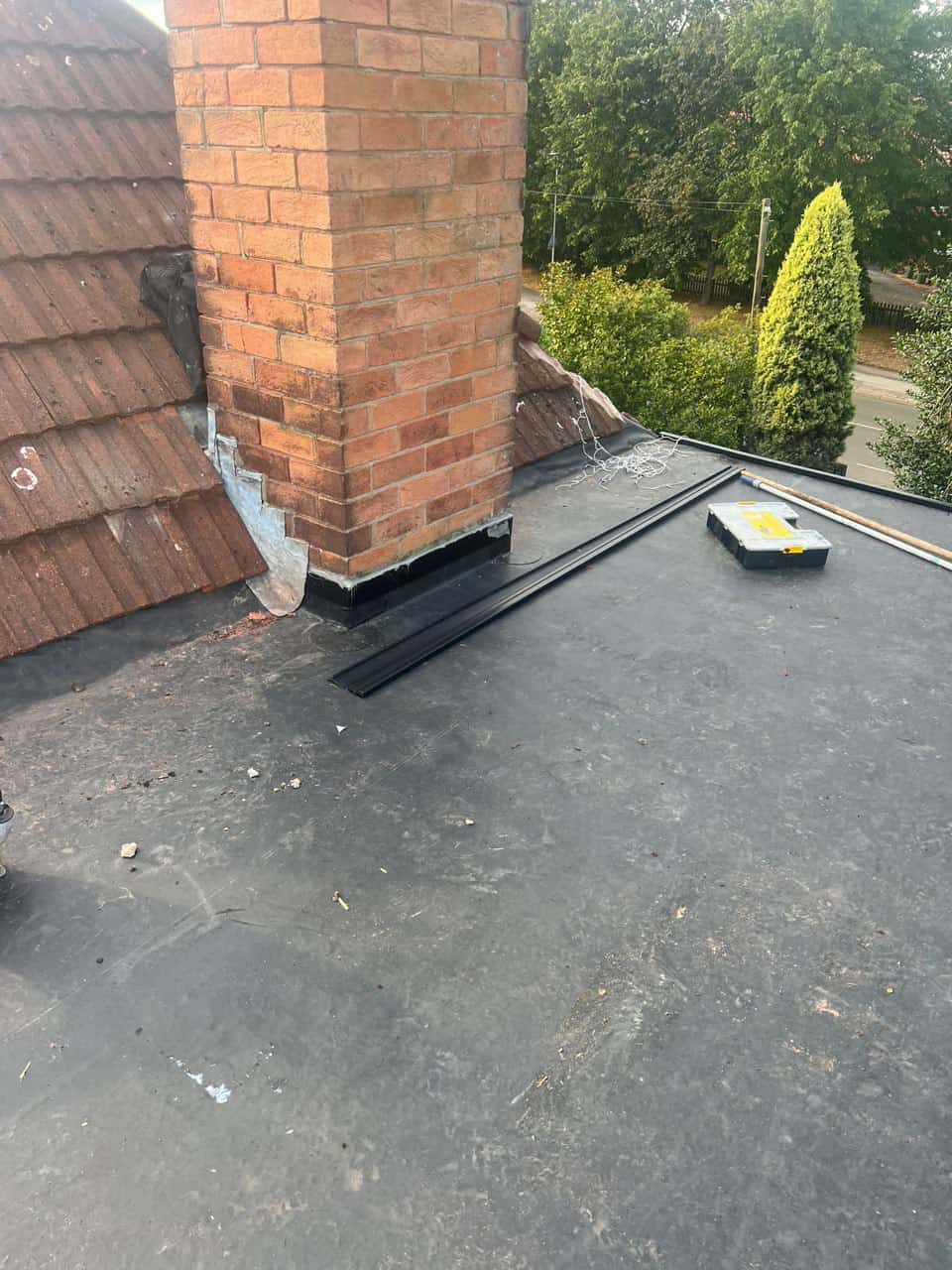
Leadwork plays an important role in protecting vulnerable areas of a roof from water penetration. It is commonly used around chimneys, roof valleys, dormers, abutments and other junctions where different roofing surfaces meet. When correctly installed and maintained, lead creates a durable barrier that directs rainwater away from these vulnerable points.
However, leadwork can deteriorate over time. Ageing, movement, poor previous repairs and prolonged exposure to changing weather conditions can all affect its ability to keep water out. When defects develop, rainwater may find its way beneath tiles, slates or other roofing materials, potentially causing damage that is not immediately visible.
For property owners in Chichester, West Sussex, understanding how deteriorating leadwork affects the roof can help identify problems early and prevent further deterioration.
How Damaged Leadwork Allows Water Beneath the Roof
Cracks and Splits Create Entry Points for Rainwater
Although lead is a durable roofing material, it can become damaged through repeated expansion and contraction as temperatures change. Over time, stress can contribute to splits, cracks or fatigue in vulnerable sections.
Even a relatively small opening can allow rainwater to pass beneath the surrounding roofing materials. Once water gets beyond the protective leadwork, it may travel along roof timbers or underlay before becoming visible inside the property.
These defects are not always easy to spot from ground level. A professional roof inspection can help establish whether damaged lead is allowing moisture to enter and identify the most appropriate repair.
Loose Lead Flashing Can Expose Roof Junctions
Lead flashing is frequently used to seal the junction between a roof and vertical structures such as chimneys and walls. It helps prevent rainwater from entering the gaps where these surfaces meet.
If flashing becomes loose, lifts away from the masonry or develops gaps at its edges, the seal can be compromised. Wind-driven rain may then pass behind the lead and beneath nearby tiles or slates.
Loose flashing can also worsen if left unattended, particularly when repeated movement causes fixings or surrounding mortar to deteriorate. Repairing the affected area helps restore the weatherproof connection between the roof and adjoining structure.
Poorly Maintained Lead Valleys Can Allow Water Ingress
Roof valleys collect and channel rainwater from adjoining roof slopes towards the drainage system. Lead is often used in these areas because it can form a continuous, shaped lining that manages substantial volumes of water.
If lead valley linings become split, distorted or worn, water may escape beneath the surrounding tiles. Debris can make the problem worse by restricting water flow and causing moisture to collect where it should drain away.
Regular checks are particularly useful for identifying damage, displaced roofing materials and obstructions before they lead to leaks.
Failed Joints and Overlaps Can Compromise Protection
Leadwork is installed in sections, with carefully formed joints and overlaps allowing the material to accommodate movement while maintaining a weather-resistant finish.
If these joints separate or have been poorly formed during previous work, gaps can develop. Water may then enter beneath the lead and spread into the roof structure.
Signs of trouble can include visible separation, lifting edges or dampness around roof junctions. Simply applying sealant over the surface may not provide a lasting solution if the underlying joint has failed. The affected leadwork needs to be assessed so that the cause can be addressed properly.
Water Can Damage Underlay and Roof Timbers
Once moisture passes beneath the roofing materials, it can affect components that are hidden from view. Roof underlay may become damp or deteriorate, while timber battens and rafters can be exposed to prolonged moisture.
Homeowners may eventually notice ceiling stains, peeling paint, damp smells or water marks around chimney breasts and upper walls. However, the visible symptoms may appear some distance from the original defect because water can travel along the roof structure.
Identifying the source of the leak is essential. Replacing internal finishes without repairing the defective leadwork will not prevent water from entering again.
Warning Signs That Leadwork May Need Repair
There are several indications that leadwork may no longer be providing adequate protection:
- Visible splits, cracks or holes in lead coverings.
- Flashing that appears loose, lifted or separated from adjoining surfaces.
- Gaps around chimneys, walls or roof junctions.
- Damp patches or staining near the roofline or chimney breast.
- Water marks in the loft or on exposed roof timbers.
- Roofing materials that appear displaced around lead-lined areas.
These symptoms can have different causes, so a proper inspection is important before deciding which repairs are necessary.
Why Professional Leadwork Repairs Are Important
Effective leadwork repairs involve more than covering visible gaps. The condition of the surrounding tiles, slates, mortar joints and roof structure must also be considered to ensure that water is being directed away correctly.
Chichester Roofing Repairs can assess deteriorating leadwork, identify vulnerable roof junctions and determine whether repairs or replacement sections are required. Addressing the underlying defect helps restore the roof’s weather resistance and reduces the risk of recurring leaks.
Conclusion
Deteriorating leadwork can allow rainwater beneath roofing materials through cracks, failed joints, loose flashing and damaged valley linings. If moisture is allowed to reach the roof structure, it can eventually affect underlay, timber components and internal finishes.
For property owners in Chichester, West Sussex, responding to early signs of leadwork damage can help prevent more extensive roofing problems. If you have noticed loose flashing, damaged lead or unexplained damp patches, contact Chichester Roofing Repairs to arrange a professional roof inspection and discuss the most suitable repairs.
Call us on: 01243 957 294
Click here to find out more about Chichester Roofing Repairs
Click here to complete our contact form and see how we can help with your roofing needs.