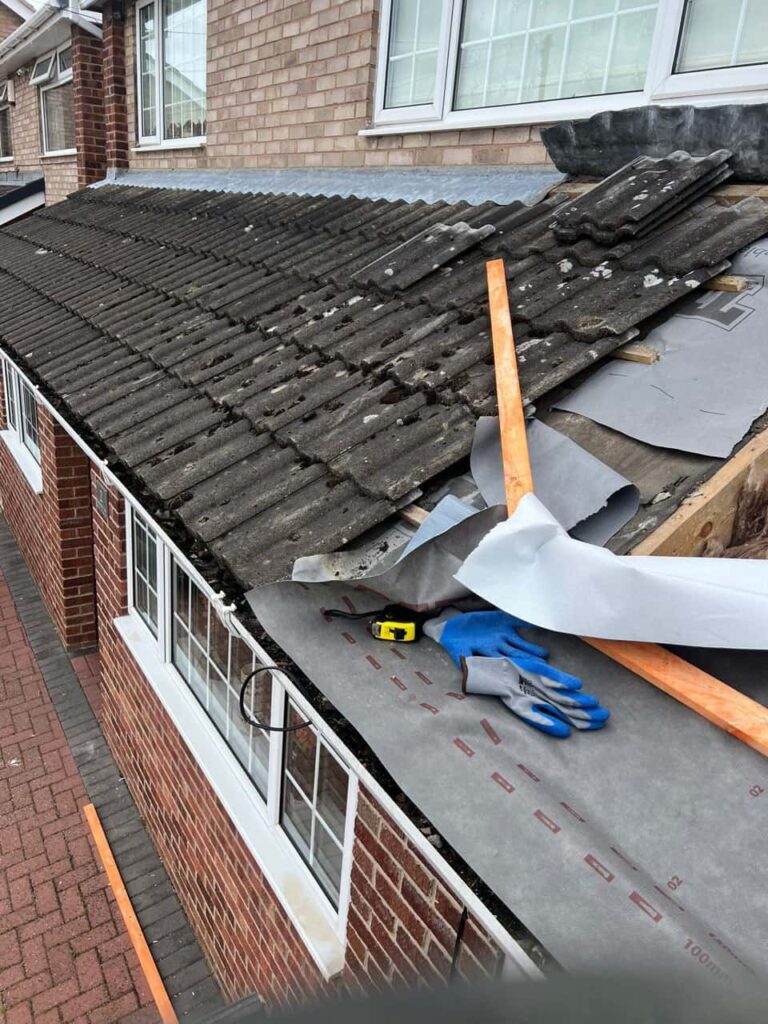
Many homeowners in Chichester begin to notice loose, slipped, or shifting tiles as their roof ages. While tile movement may start gradually, it often becomes more frequent over time—and it is rarely just a cosmetic issue. Older roofs are far more vulnerable to movement because the supporting materials beneath the tiles also deteriorate, making it easier for tiles to shift during bad weather, temperature changes, or simple everyday wear.
Understanding the causes of tile movement is the first step toward protecting your home and planning effective roof maintenance.
Ageing Fixings Fail to Hold Tiles Securely
Tiles rely on nails, clips, and battens to keep them fixed firmly in position. As the roof ages, these components begin to deteriorate.
Common problems include:
- Corroded nails losing grip
- Brittle or decaying battens
- Loose fixings caused by years of movement
- Worn underlay no longer supporting the tile system
Once these fixings weaken, even moderate wind can cause tiles to shift, lift, or slide out of place.
Weather Exposure Weakens Roof Structures Over Time
Tiles on older roofs have endured decades of sun, wind, rain, and frost. This constant exposure gradually reduces their strength and stability.
Key effects of weathering include:
- Repeated freeze–thaw cycles causing tile cracks
- High winds loosening fixings
- Prolonged moisture softening battens
- UV exposure making older materials more brittle
Chichester’s coastal climate adds an extra challenge, as salt air and changing weather patterns accelerate wear.
Natural Movement of the Roof Structure
All roofs experience a degree of natural movement as temperatures change and materials expand or contract. In newer roofs, this movement is minor and well tolerated. In older roofs, however, structural elements may already be weakened.
This can lead to:
- Gaps developing between tiles
- Entire sections of the roof becoming unstable
- Minor shifts turning into repeated tile movement
Aging timber structures also lose their rigidity, making the roofing system less capable of holding tiles firmly in place.
Underlay Deterioration Encourages Shifting Tiles
Beneath the tiles lies the underlay—a crucial protective layer that also supports the tile system. Over time, this material can crack, tear, or sag.
Damaged underlay contributes to tile movement by:
- Failing to provide a firm base
- Allowing moisture to reach the battens
- Creating uneven pressure beneath the tiles
Without a stable underlay, tiles are far more likely to shift during windy conditions.
Storms and High Winds Exploit Existing Weak Points
Tile movement on old roofs often becomes most noticeable after storms. High winds lift tiles that are already loose, exploiting even the smallest weaknesses.
Repeated tile movement can then cause:
- Water ingress
- Further loosening of surrounding tiles
- Increased vulnerability during future storms
Once movement begins, it tends to continue unless repairs are carried out promptly.
Lack of Regular Maintenance Adds to the Problem
Many older roofs have gone years without inspection or upkeep. Over time, small issues develop unnoticed until they become more serious.
Without maintenance, tile movement becomes more common because:
- Early signs of deterioration go unaddressed
- Minor movement is left to worsen
- Failed fixings are not replaced in time
Routine professional inspections can slow down or prevent further tile displacement.
Conclusion
Frequent tile movement on older roofs is usually a sign that the fixings, underlay, and supporting structure have begun to weaken. Left unresolved, this movement can lead to leaks, water damage, and more serious roofing problems—especially in areas like Chichester, where weather conditions can be unpredictable.
If your roof is showing signs of slipping or shifting tiles, Chichester Roofing Repairs can provide a professional assessment and reliable solutions tailored to your property. Contact us today to restore stability and protect your home from further damage.
Call us on: 01243 957 294
Click here to find out more about Chichester Roofing Repairs
Click here to complete our contact form and see how we can help with your roofing needs.